History & Heritage

Discover Syria's rich history and cultural heritage.

Religious and national holidays in Syria

Read more to learn about the most prominent religious and national occasions celebrated by Syrians throughout the country.
Slide 1
Slide 2
Slide 3
Slide 4
1 / 4

Religious holidays

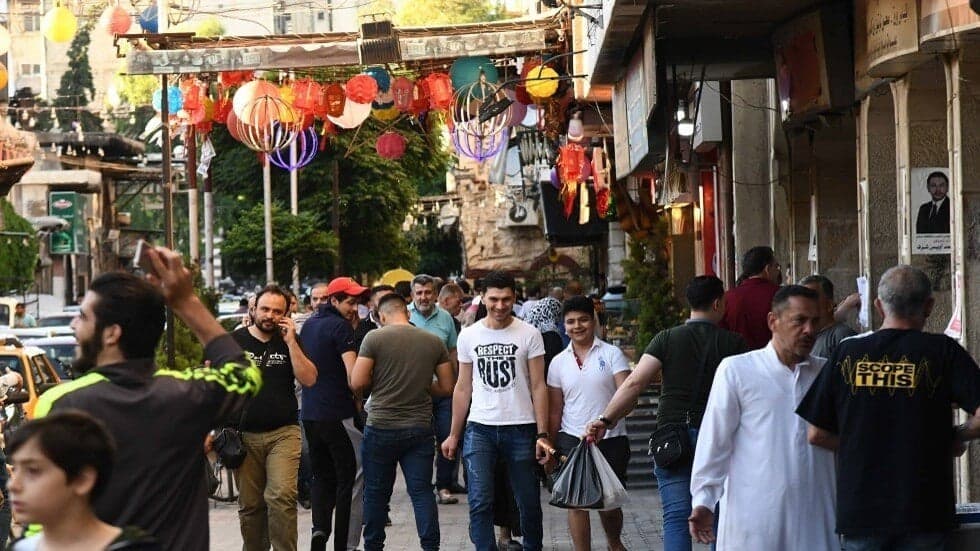
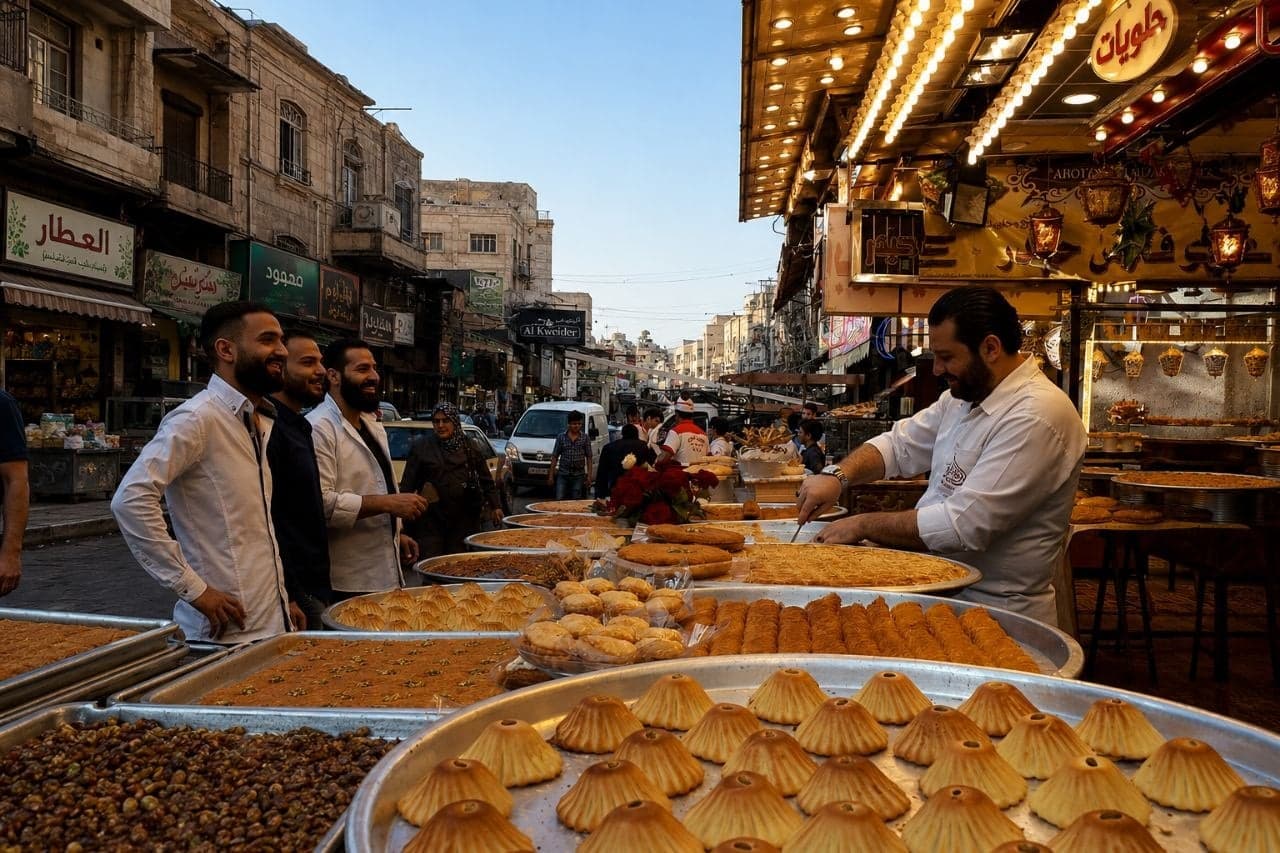
Eid al-Fitr and Eid al-Adha are among the most important religious occasions in Syria, when families gather to celebrate, exchange visits, and share traditional sweets such as ma'amoul and ka'ak. Streets and markets are adorned with lights and decorations, and an atmosphere of joy and generosity pervades all cities and villages, creating a scene that blends religious and social aspects, reflecting the spirit of solidarity and love among the people.

Ramadan

The month of Ramadan in Syria has a distinctive spiritual character, where spiritual atmospheres blend with inherited traditions such as firing the cannon to signal the breaking of the fast, decorating neighborhoods with lanterns and colorful lights, and exchanging Iftar and Suhoor meals among neighbors and friends. Religious and cultural evenings are also held during this month, and delicious dishes from the traditional Ramadan cuisine, such as Fattoush and Sambousek, and Middle Eastern drinks are served, making Ramadan an occasion that expresses both spiritual joy and social connection.

Christian holidays

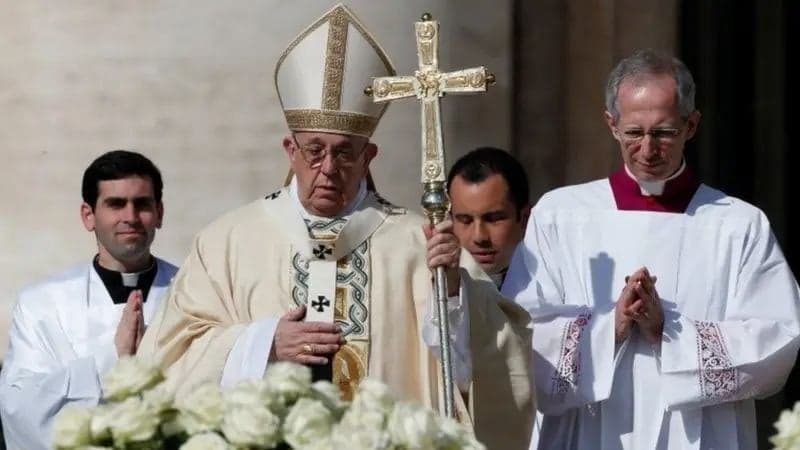
Syria also celebrates Christian holidays such as Christmas and Easter according to both the Western and Eastern calendars, reflecting the country's religious and cultural diversity. Churches and homes are illuminated with colorful lights, and streets and public squares are adorned with Christmas trees and sparkling decorations, while prayers and hymns are sung in an atmosphere of love and peace. In cities with a rich Christian history, such as Damascus, Aleppo, Saidnaya, and Maaloula, people exchange greetings and gifts, and a spirit of joy and harmony prevails, uniting the nation's citizens from all faiths.

National events

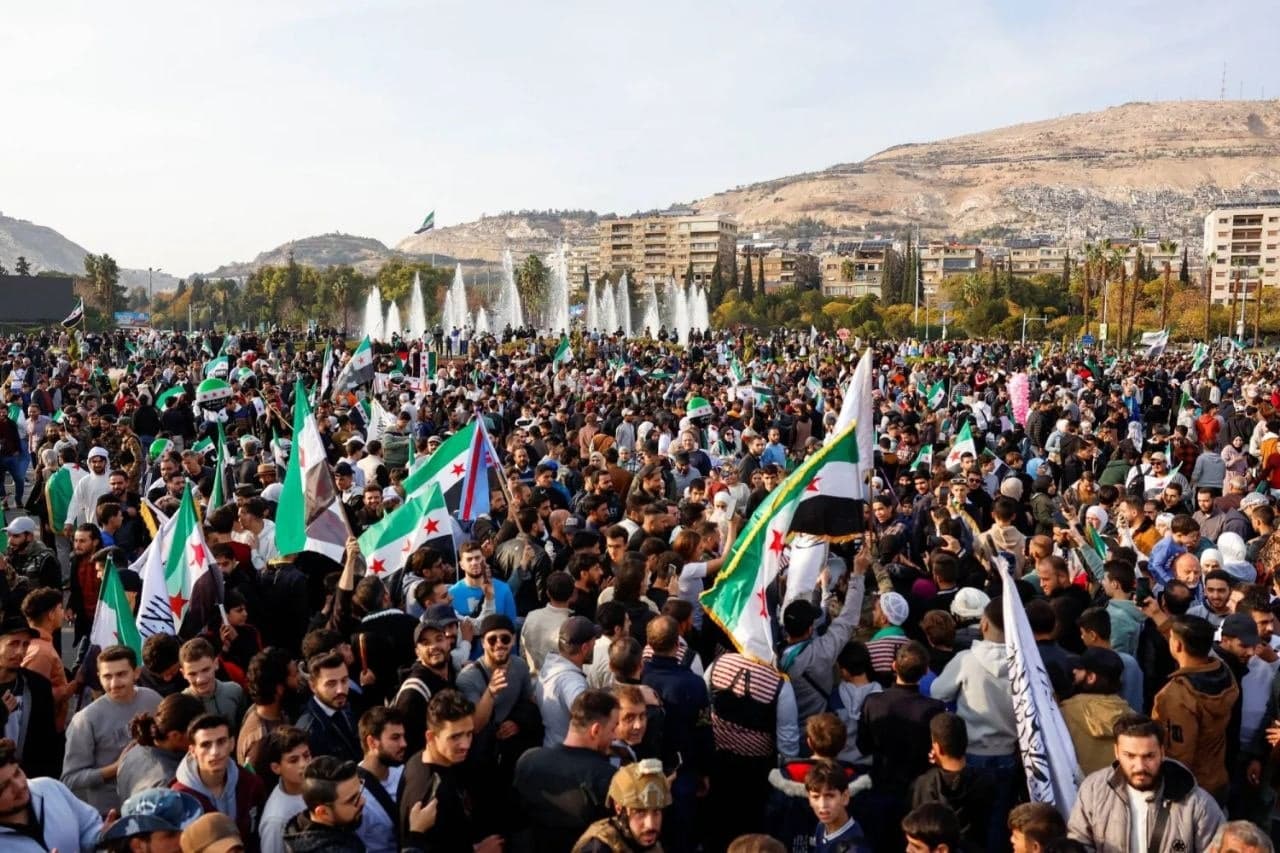
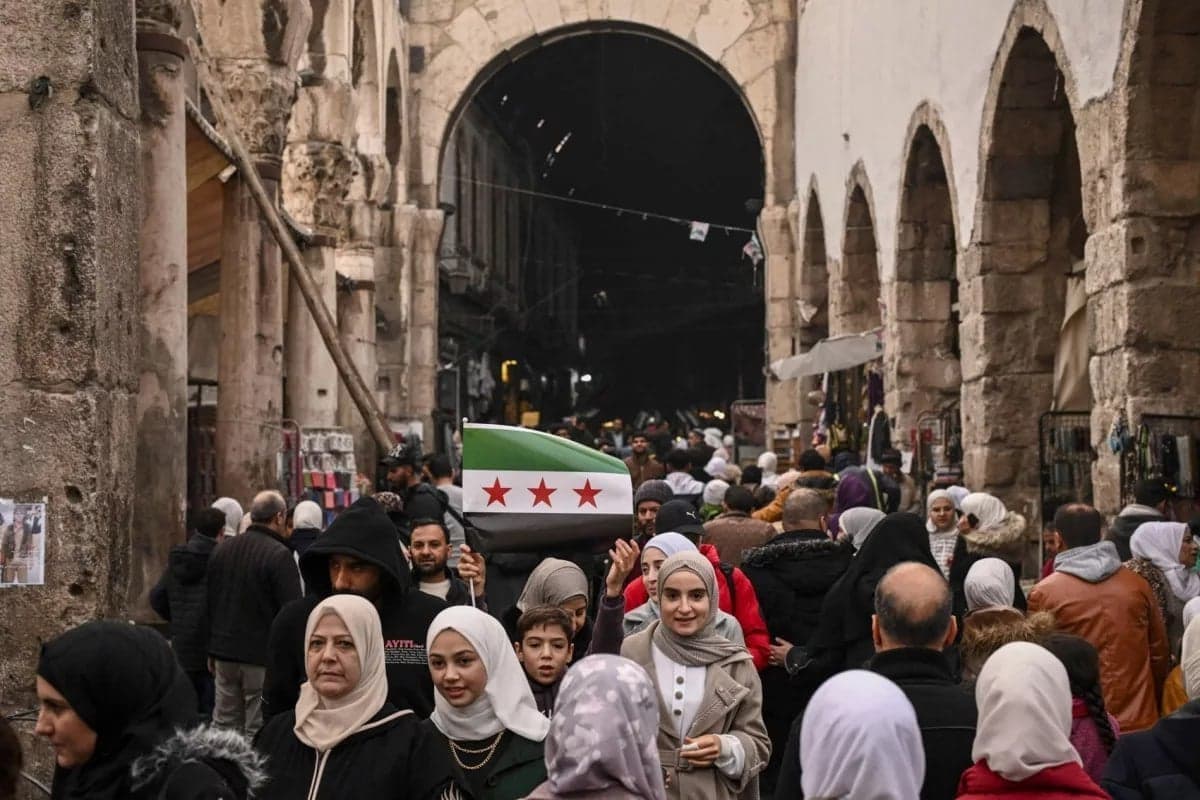
On April 17th of each year, Syrians celebrate Independence Day, commemorating the country's independence from French occupation.
Arts and crafts in Syria

Handicrafts in Syria represent one of the most prominent features of the national heritage, reflecting the skill and artistic taste of Syrian artisans passed down through generations. These crafts are characterized by their diversity and richness, where authentic Eastern arts meet contemporary creativity.

Slide 1
Slide 2
Slide 3
1 / 3

The craft of mother-of-pearl inlay on wood

The craft of mother-of-pearl inlay on wood is one of the most famous traditional crafts, used in the manufacture of boxes, souvenirs, and exquisitely decorated furniture.

Copperplates

The craft of copperware stands out, including the engraving and decoration of copper pots, lamps and plates, and is considered one of the oldest crafts in Syria.

Pottery and ceramics industry

Pottery and ceramics are widespread in Syrian cities and villages, expressing the connection between art and daily life through its diverse forms and styles.

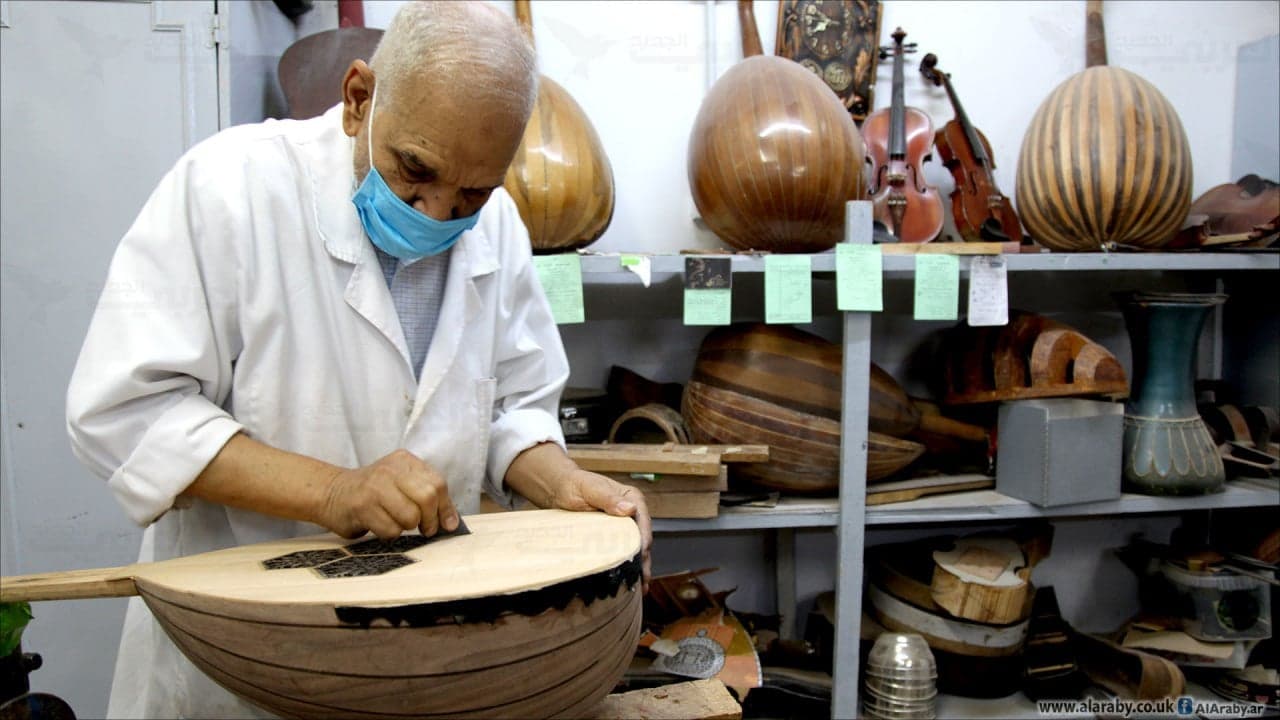
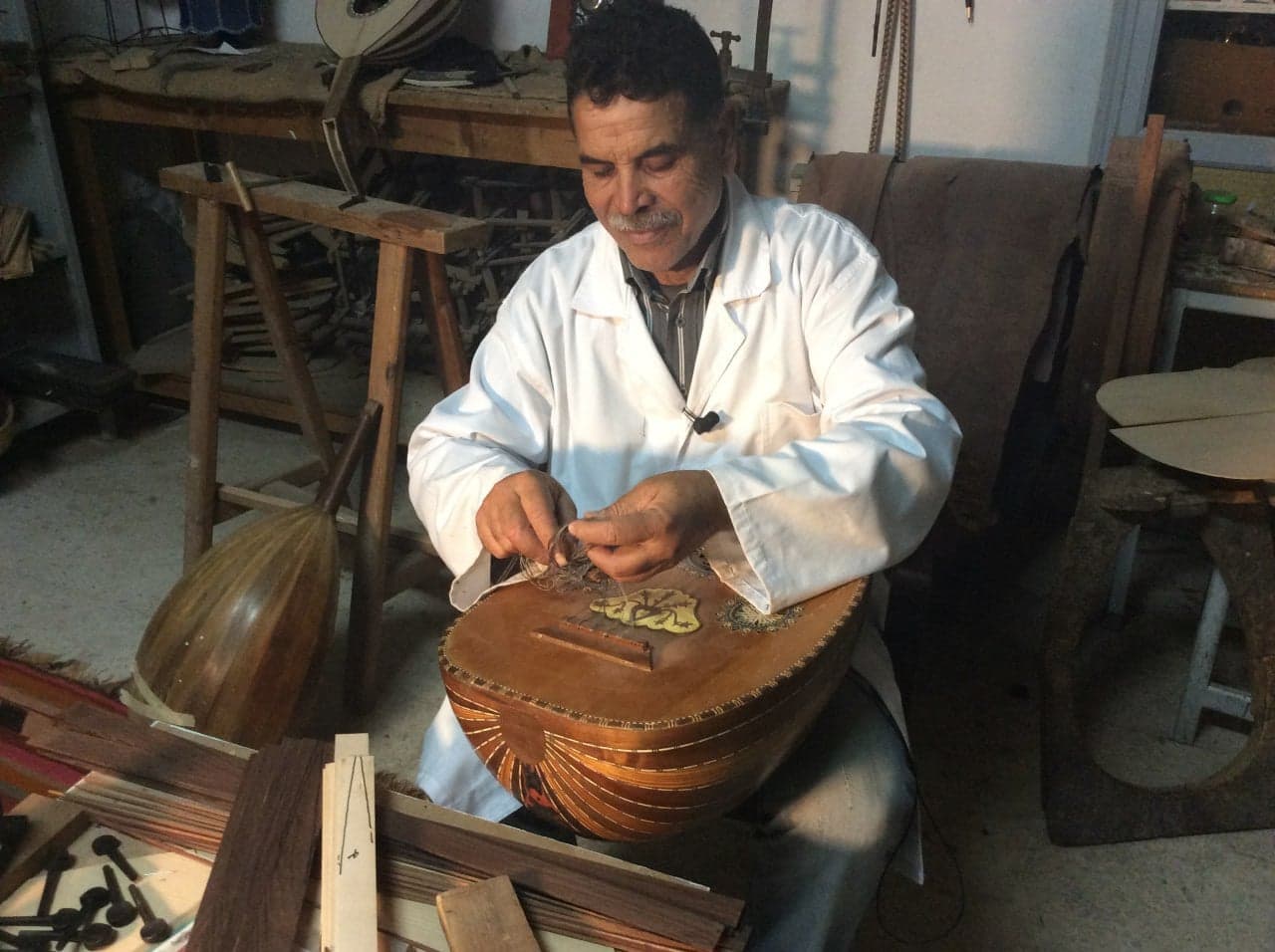
Manufacture of traditional musical instruments

The craft of making traditional musical instruments occupies a special place, as craftsmen excel at making the oud, qanun and nay using natural materials and precise techniques inherited over the centuries.

Colored glass industry

The craft of stained glassmaking completes this creative scene, producing stunning works of art used in decoration and architectural designs.

Also included

Syrian handicrafts also include mosaic and hand-weaving, hand embroidery, and the weaving of woolen and cotton fabrics that adorn homes and markets with their distinctive colors and patterns. These arts and crafts form a comprehensive cultural picture reflecting Syria's rich history and cultural diversity. Visitors can observe them firsthand in the old markets and traditional workshops, and purchase unique pieces that express the spirit and authenticity of the place.

Music, celebrations and festivals in Syria

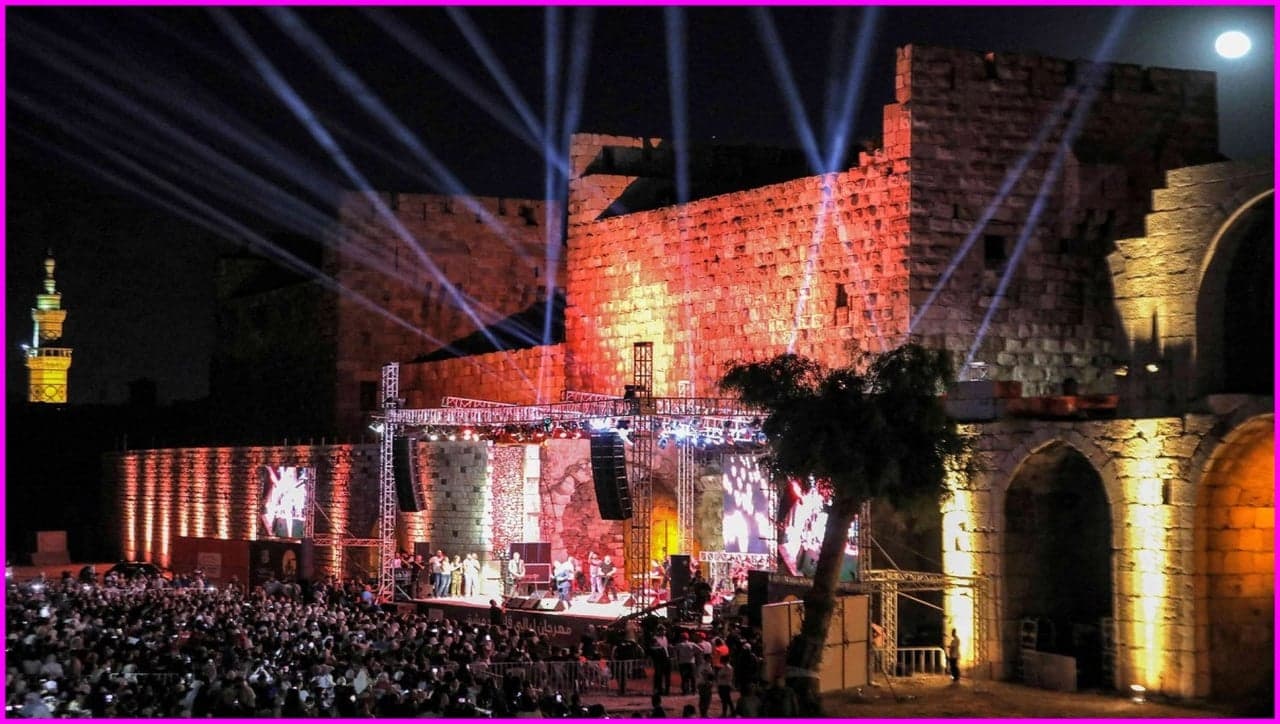
Syrian music has long been linked to the Arab heritage that combines singing, instrumental playing, and poetry. The melodies of the oud, qanun, and nay accompany evenings in old cafes and cultural events, while folk songs such as Aleppo qudud and muwashahat are considered among the most prominent symbols of authentic Syrian art, as they continue to play a fundamental role in transmitting cultural identity from generation to generation, alongside the presence of contemporary music presented by young artists in modern concerts and festivals.

Slide 1
Slide 2
Slide 3
Slide 4
Slide 5
Slide 6
Slide 7
1 / 7

Folk dances

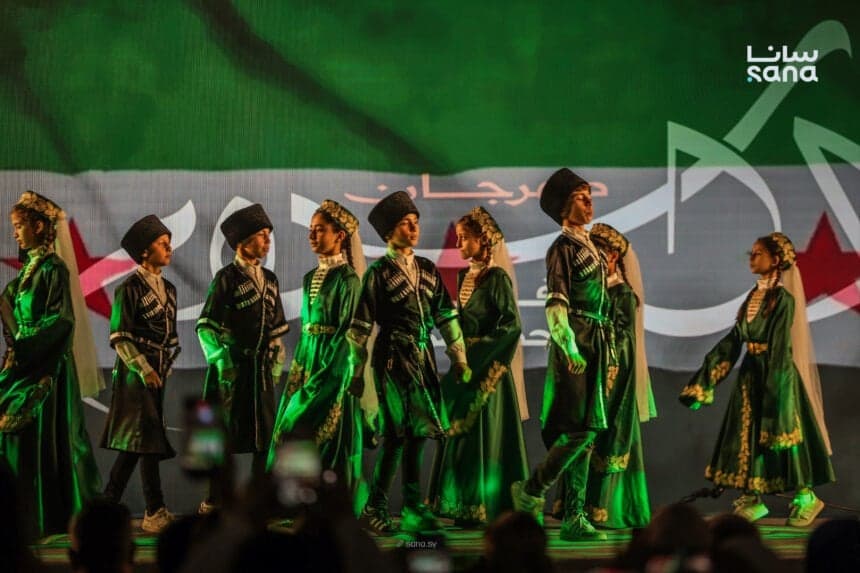
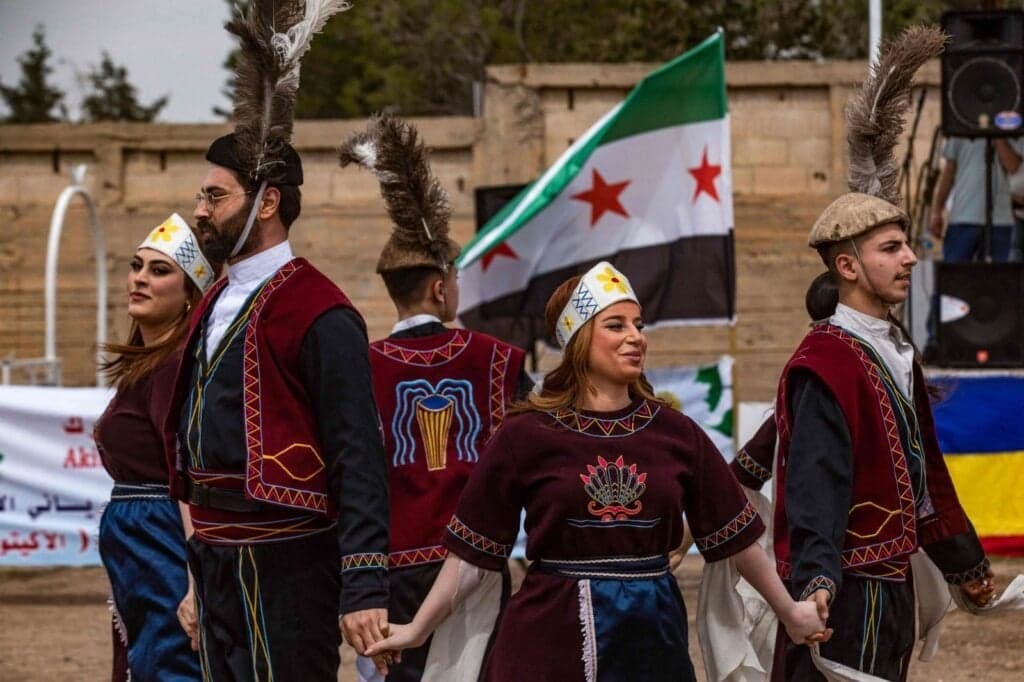
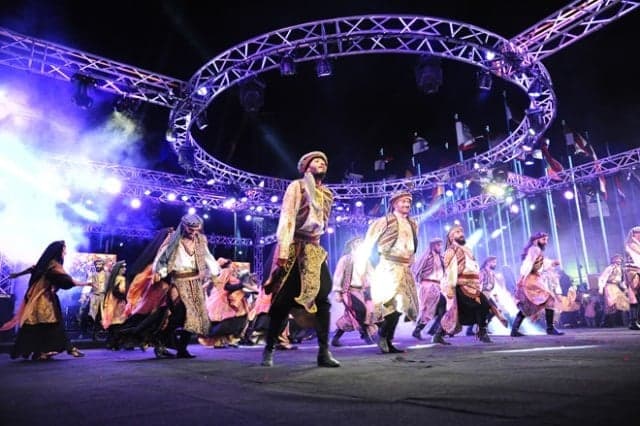
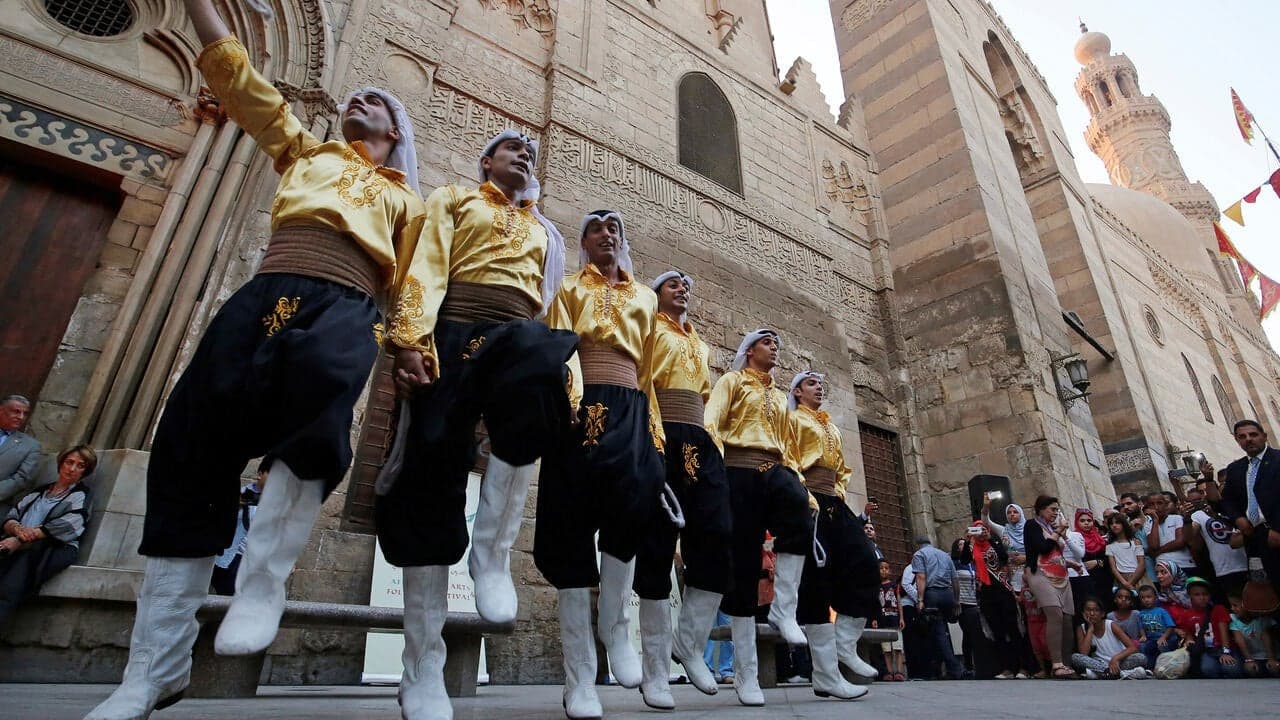
One of the most famous traditional dances in Syria is the dabke, where people hold hands and dance in time with the rhythm, expressing joy and a sense of community. Other dances reflecting cultural diversity are also prevalent, such as the Kurdish dance, known for its vibrancy and colorful costumes, and the mountain dances that accompany rural celebrations and national festivities.

alshier

Poetry holds a firm place in Syrian culture, where it is used to express pride, love, and patriotism. Poems are recited at social and cultural events before wide audiences. Nabati, classical, and sung poetry are all part of an artistic landscape that blends words and music.

Weddings and celebrations

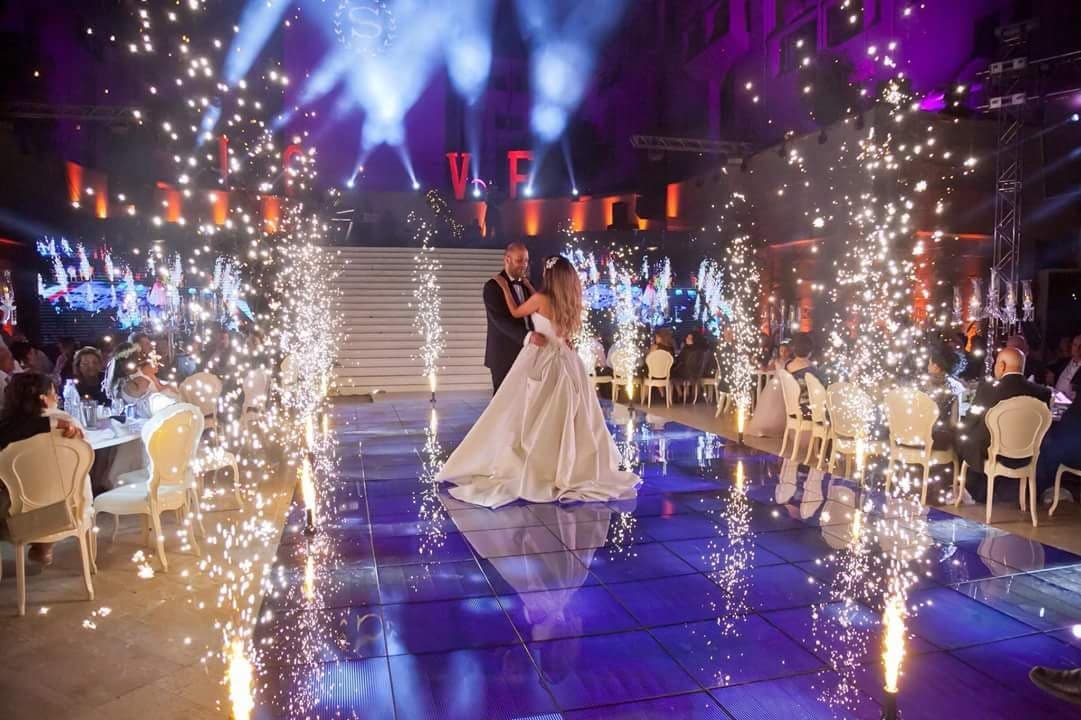
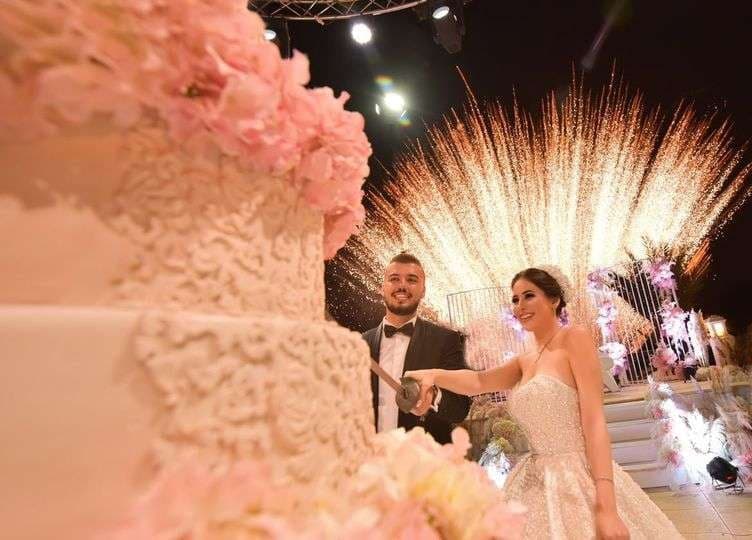
Syrian weddings are among the most beautiful expressions of popular celebration, blending ancient traditions with modern festivities. The celebrations take place in halls or large homes and feature live music, wedding songs, dabke dancing, and traditional cuisine. These occasions often bring together family and neighbors in an atmosphere of joy and happiness.

Festivals

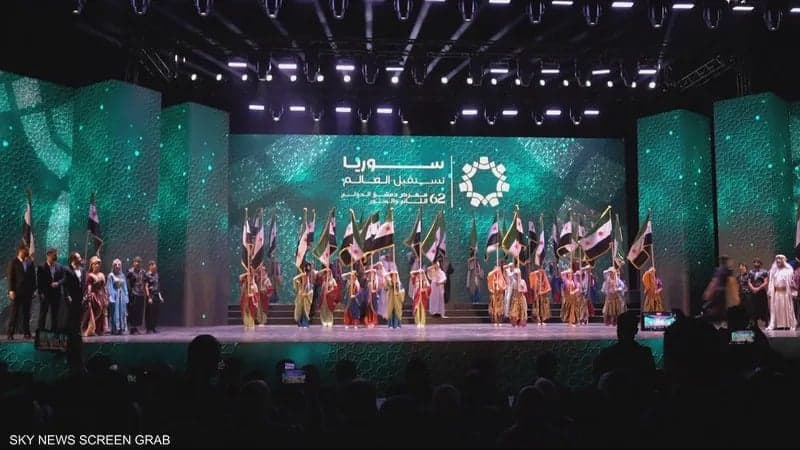
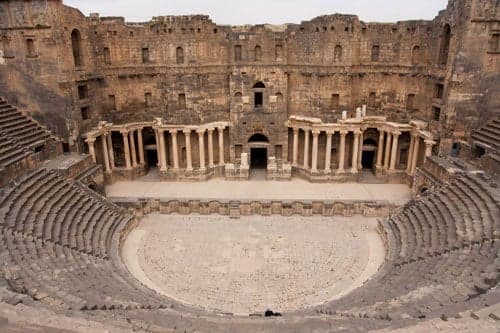
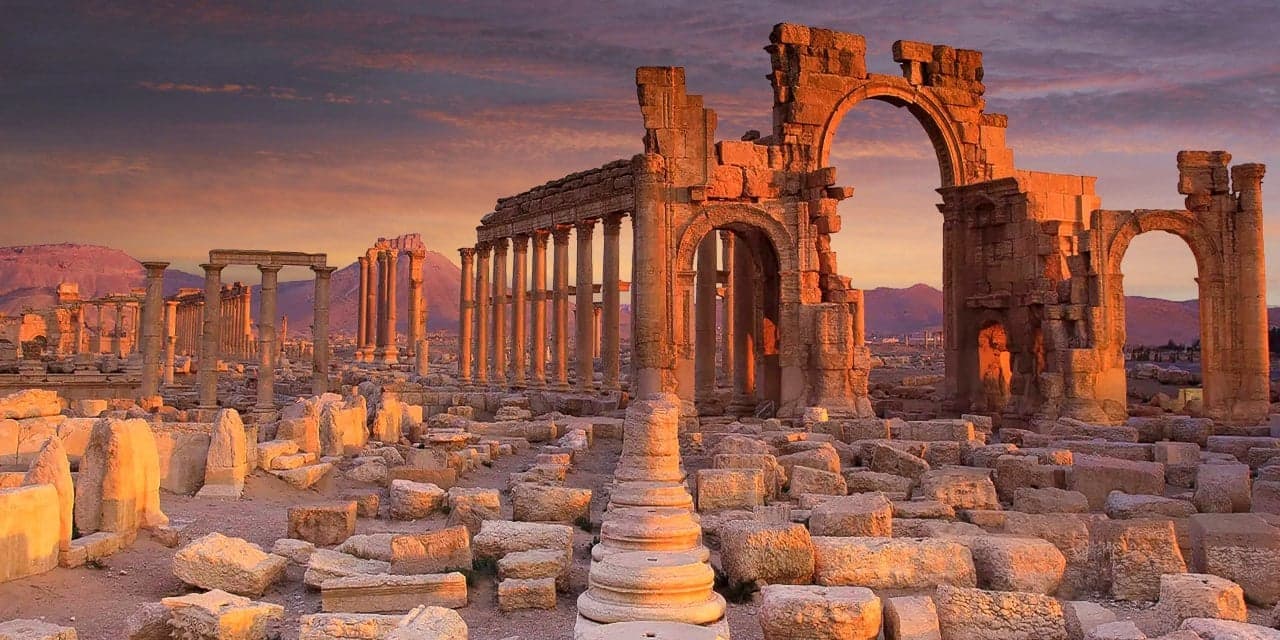
Syria is rich in cultural and artistic festivals throughout the year, reflecting its diverse geography and heritage. Among the most prominent are the Palmyra Tourism Festival, which celebrates the ancient city's history, and the Bosra International Festival, held in the ancient Roman amphitheater and featuring outstanding musical and theatrical performances. Events also take place along the Syrian coast, such as the Love and Peace Festival in Latakia, in addition to the Damascus International Fair, one of the oldest fairs in the region, which showcases a variety of artistic and heritage activities. Furthermore, local festivals of folk arts, handicrafts, and traditional music are held in various governorates, ensuring that Syria remains a vibrant and artistic destination year-round.

Syrian traditions and authentic hospitality

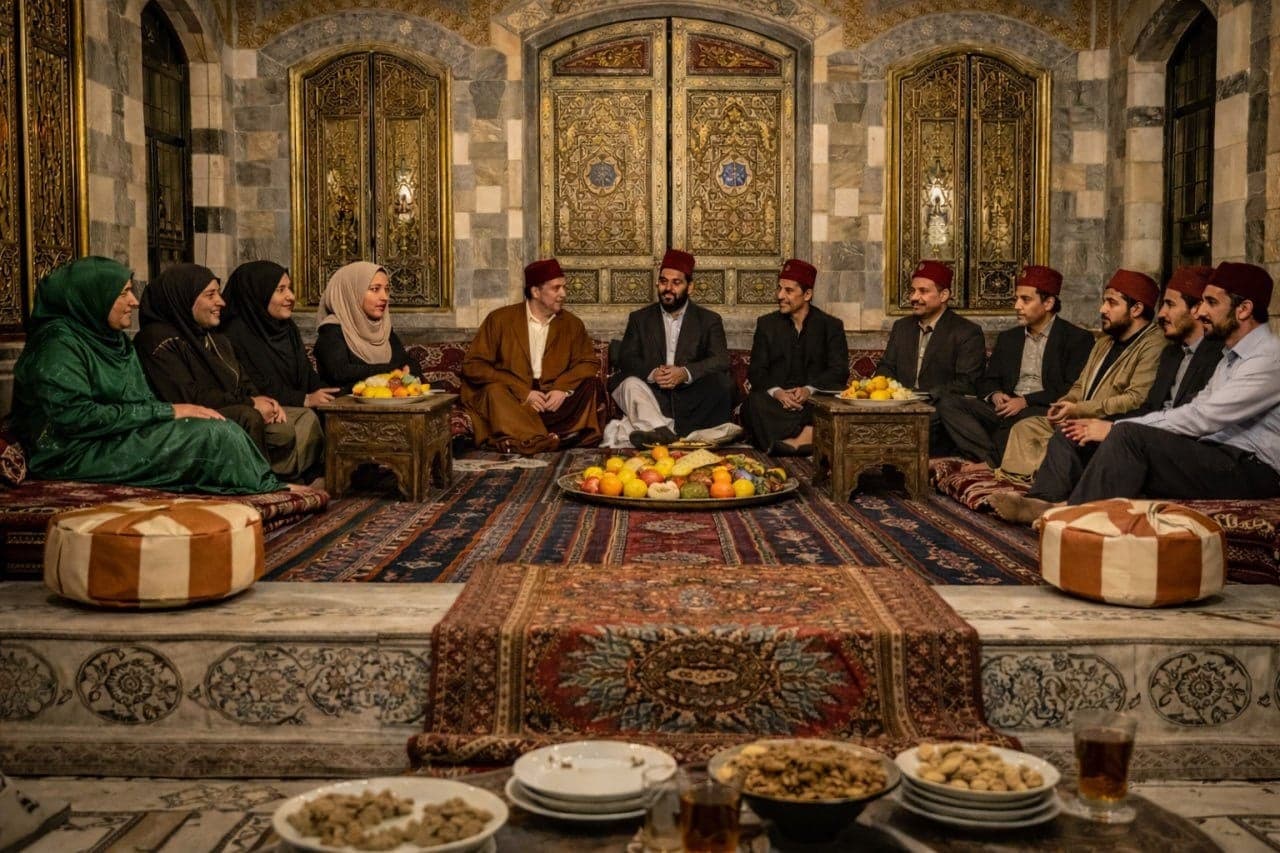
Syrian society is known for its hospitality and welcoming nature, qualities passed down through generations. Visitors can experience the warmth and enthusiastic reception throughout the country, where welcoming guests is an integral part of daily life.

Slide 1
Slide 2
Slide 3
Slide 4
1 / 4

Arabic coffee and tea

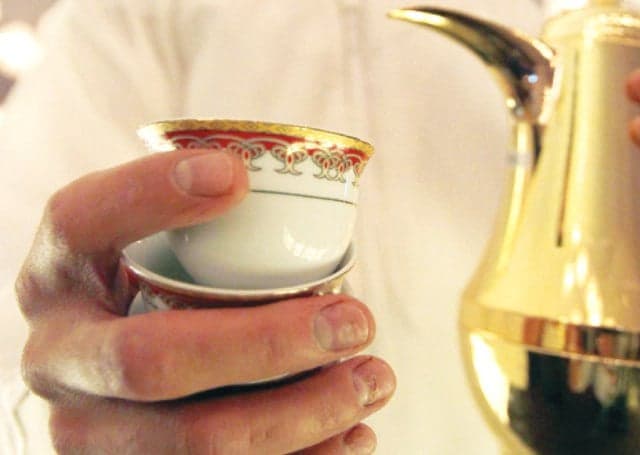
Arabic coffee is a prominent symbol of hospitality in Syrian society, often served immediately upon the arrival of guests, followed by mint tea or herbal infusions. The cup is offered with the right hand, and the empty cup is returned gently as a sign of acceptance.

Invitation to the house

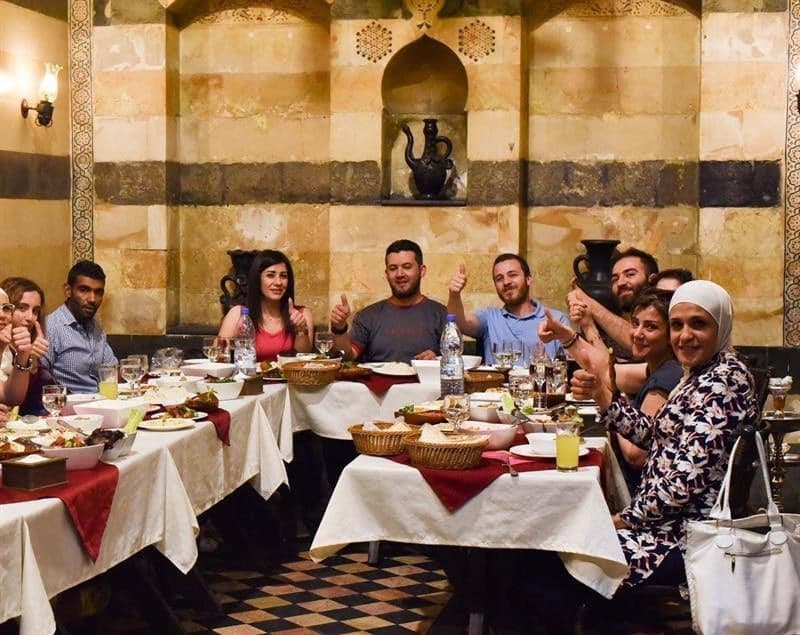
Upon receiving an invitation to a Syrian home, a visitor can expect a warm welcome and a table laden with the finest traditional dishes. Shoes are often removed near the door before entering the house.

Cultural and religious diversity

Syria is a model of diversity and coexistence, encompassing a wide spectrum of religious and cultural groups whose people live in harmony and mutual respect. This diversity is evident in the holidays, celebrations, music, cuisine, and architecture that characterize the different Syrian regions.

Greetings and Councils

Greetings usually begin with a handshake and the exchange of friendly phrases such as 'Welcome' or 'You have honored us with your presence'. The 'majlis' or 'salon' is the designated place for receiving guests and exchanging conversations in a friendly and welcoming atmosphere.

Syrian table

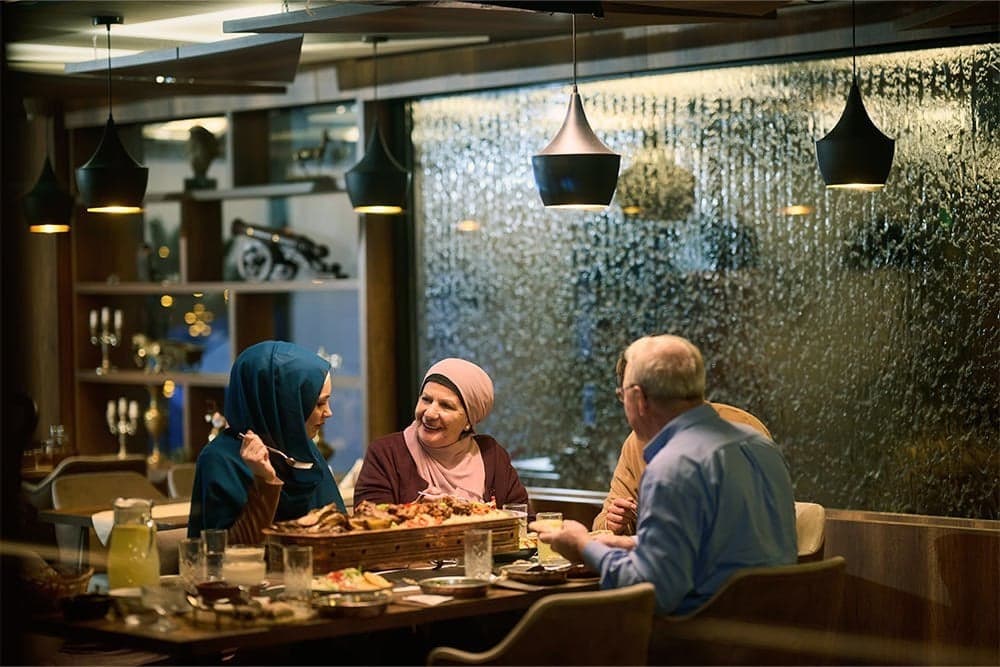
Syrian cuisine is renowned for its diverse and flavorful dishes, such as kibbeh, stuffed vegetables, majboos, fattoush, and tabbouleh. These dishes are often served in large communal platters, reflecting a spirit of community and sharing.

Folk arts and customs

Folk arts occupy a distinguished place in Syrian society, such as the 'Dabke' dance and traditional music that accompanies occasions and weddings, expressing joy and cohesion among members of society.

Traditional Syrian cuisine

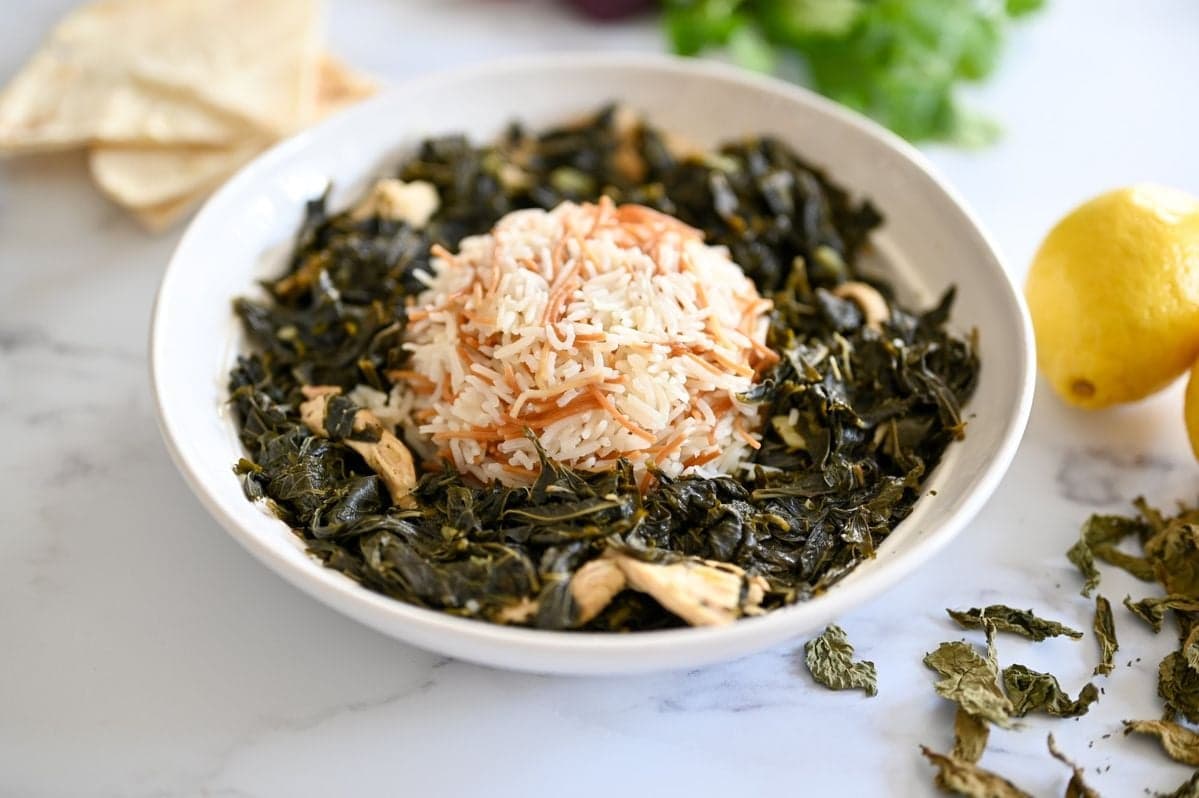
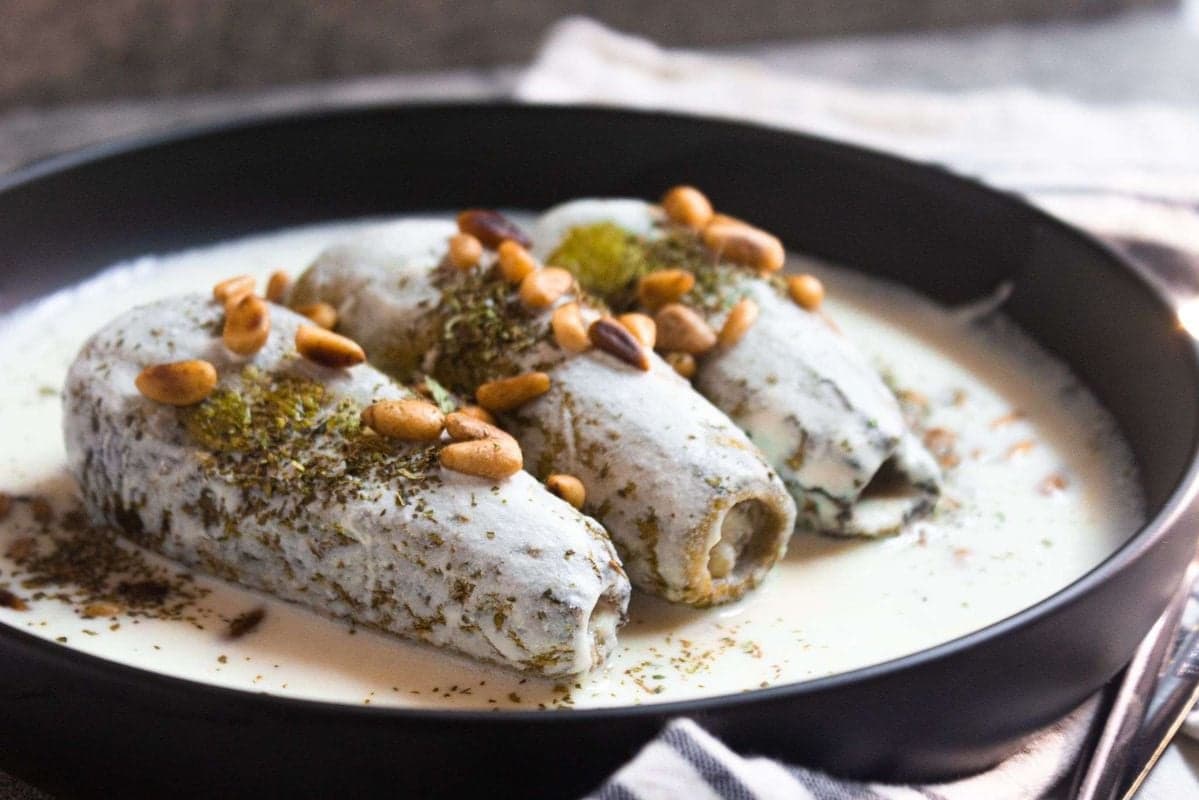
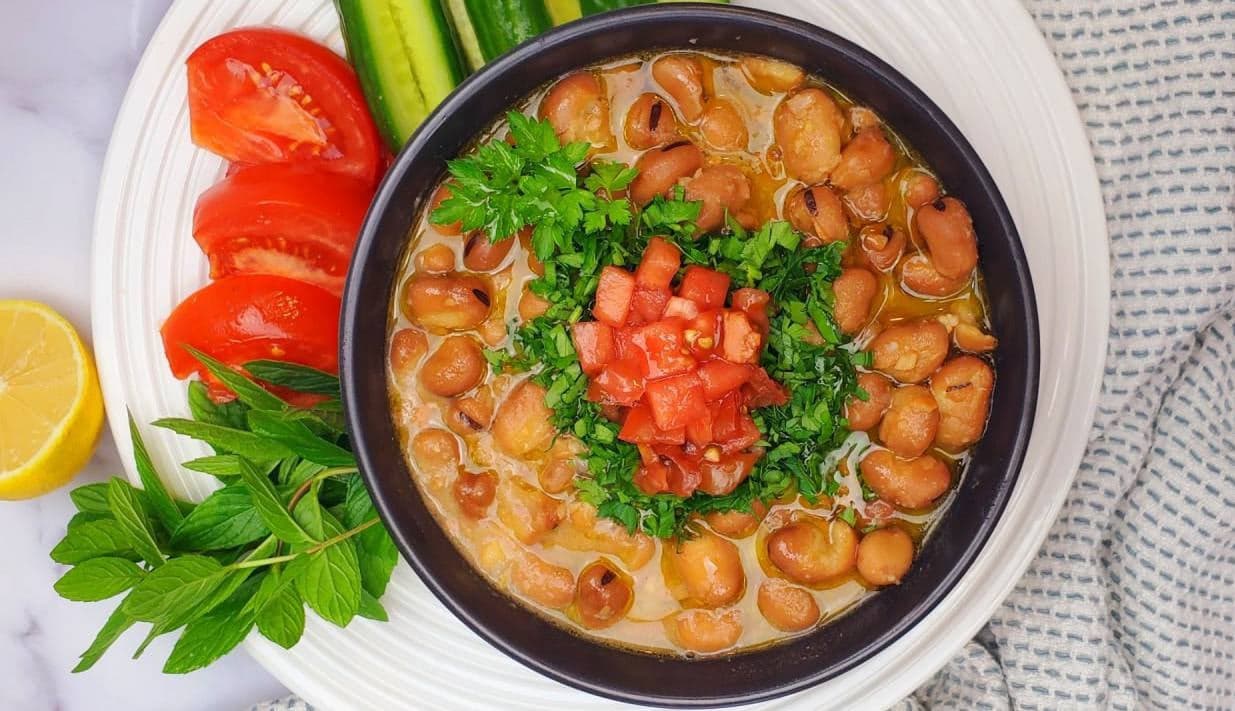
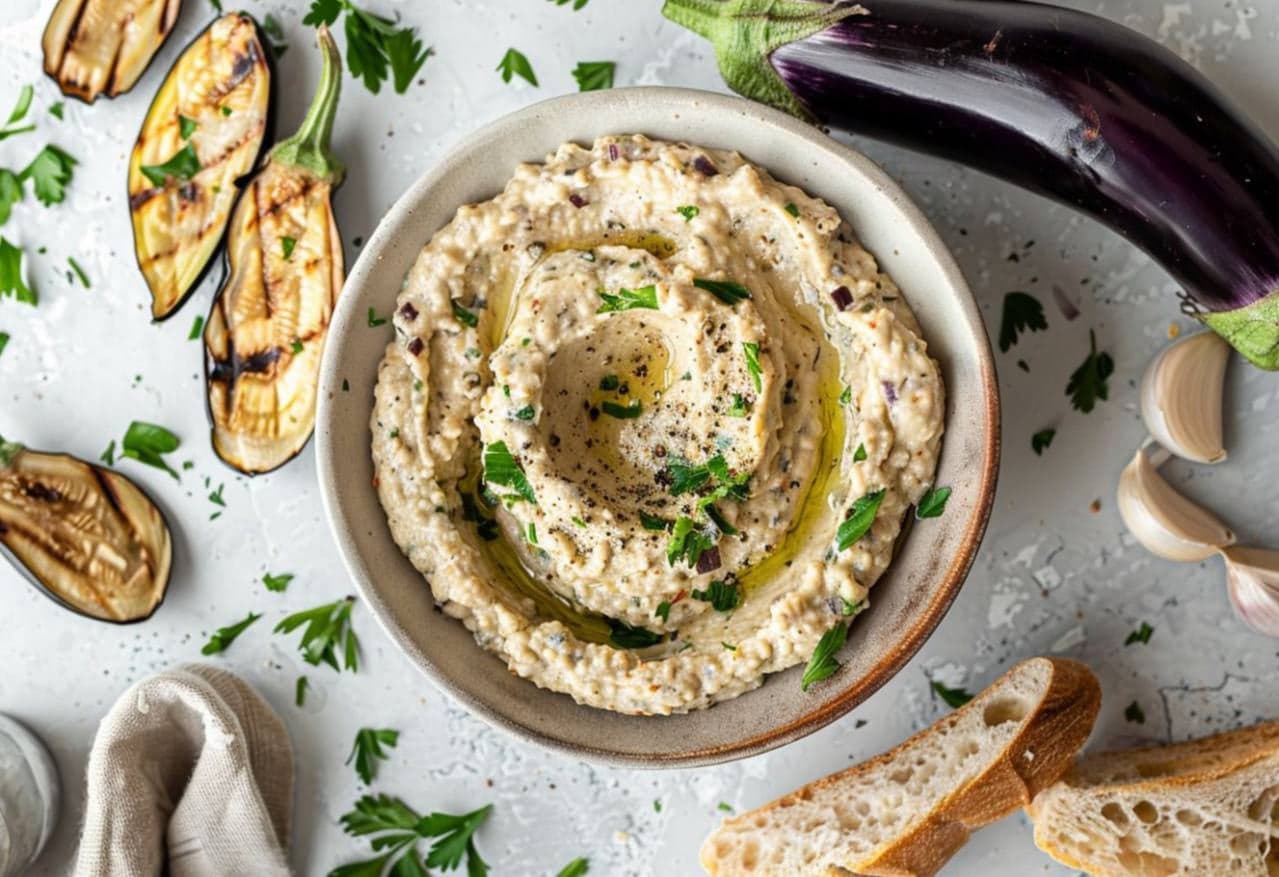
Do you prefer fried kibbeh or stuffed grape leaves? Have you tried fattoush or Damascene-style soup? Syrian cuisine is among the finest in the East, distinguished by its great diversity and rich, balanced flavors, inspired by the country's rich heritage and genuine hospitality. Every Syrian city has its own unique flavor, and every dish tells a story passed down through generations. Discover popular restaurants and authentic Damascene cuisine, and enjoy an unforgettable dining experience. Here are some famous Syrian dishes:

Slide 1
Slide 2
Slide 3
Slide 4
Slide 5
Slide 6
Slide 7
Slide 8
1 / 8

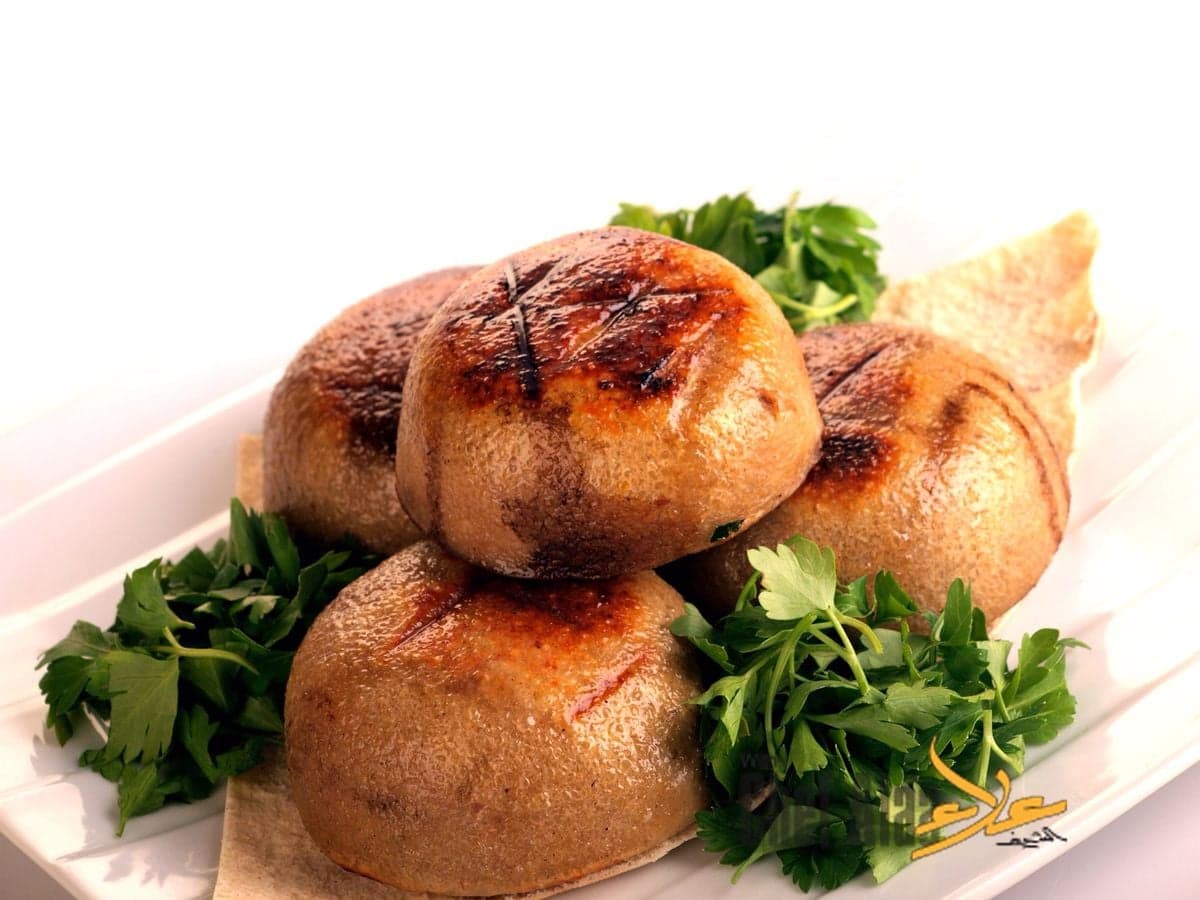
Syrian kibbeh

One of the most famous traditional dishes, it is prepared in various ways - fried, grilled or raw, and is often served with yogurt or salad.

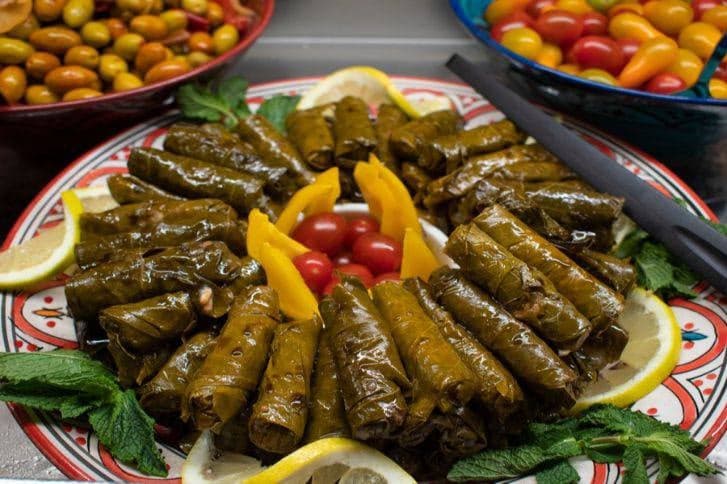
Stuffed grape leaves (Yabrah)

Grape leaves stuffed with rice, meat and spices, cooked with olive oil and served hot or cold.

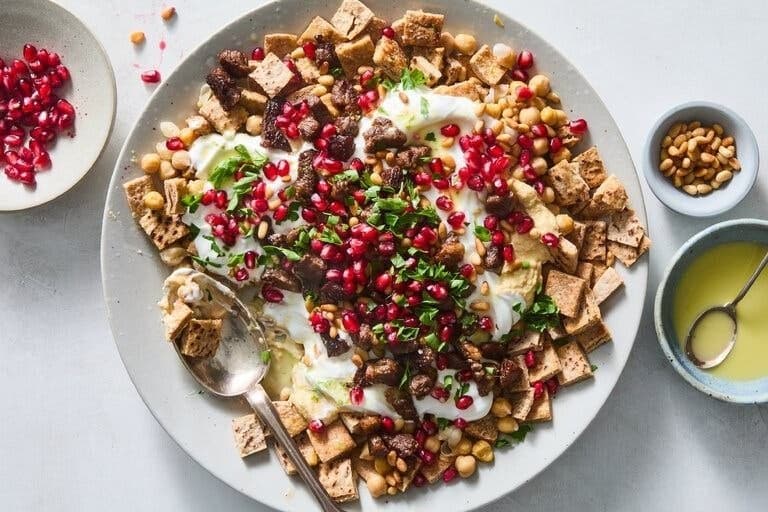
Fattoush and Tabbouleh

Two famous Syrian salads, prepared with fresh vegetables, olive oil and lemon juice, and served as refreshing appetizers.

Shawarma

One of the most famous street dishes of Damascus and Aleppo, it is served with Arabic bread, garlic sauce and pickles.

Al-Mujaddara

A mixture of lentils, rice and fried onions, a delicious and nutritious homemade meal.

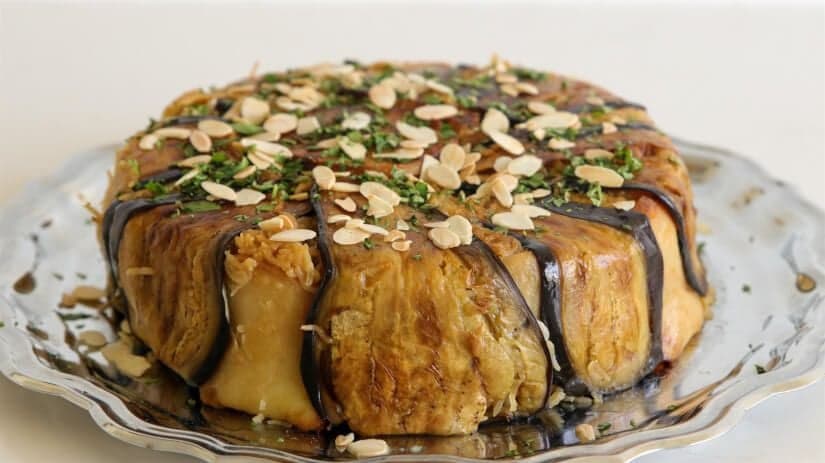
Upside down

Rice with eggplant and cauliflower or chicken, beautifully tossed onto a serving platter to whet the appetite.

Arabic coffee

It is always served in hospitality gatherings, with the aroma of cardamom and its distinctive Syrian character.

Traditional sweets

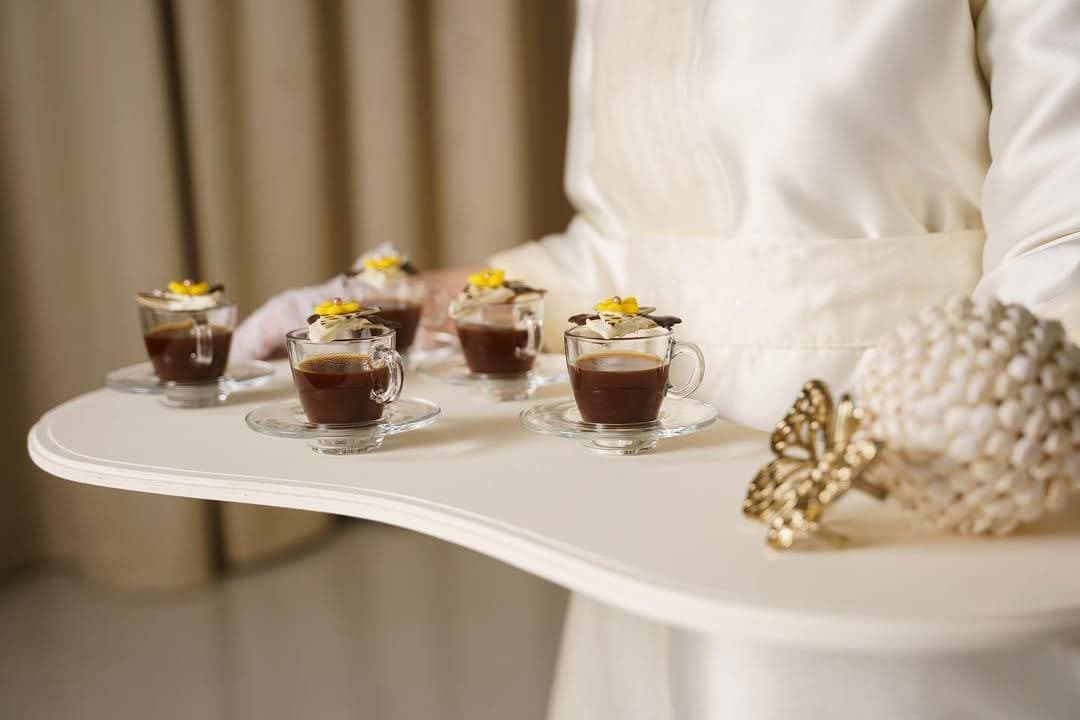
Popular sweets that accompany occasions and holidays and are served with tea or coffee.

Syrian Kabsa

A dish influenced by neighboring cuisines, but with a special Syrian touch with a blend of saffron and Damascus spices.

Dress in Syria

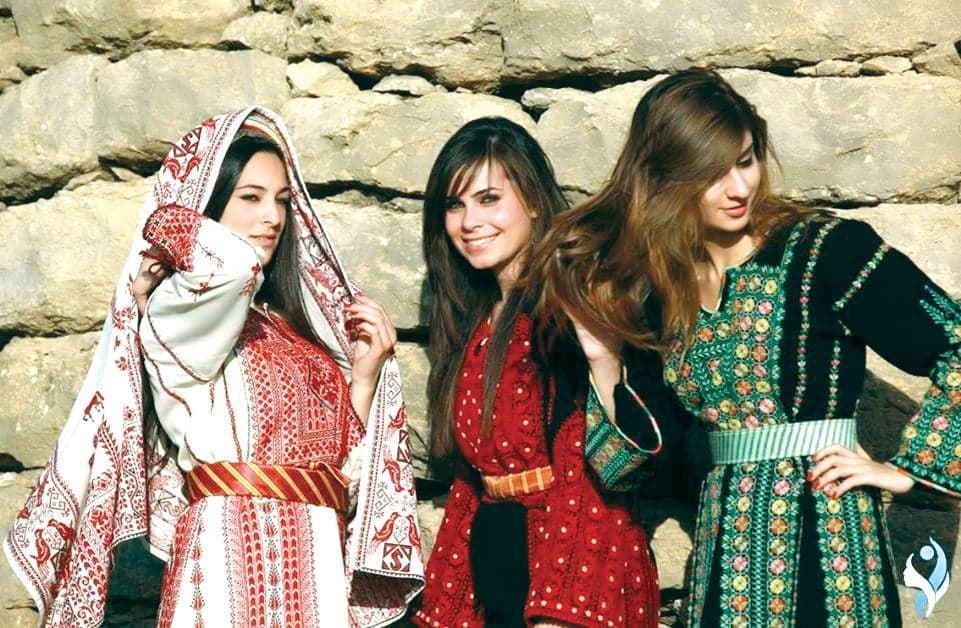
Modern style blends seamlessly with the authentic heritage of Syrian dress. In major cities, people wear contemporary clothing that mirrors global trends, while many in rural and Bedouin areas preserve traditional attire that reflects their community's identity and history. Clothing ranges from abayas and embroidered dresses in rural and mountainous regions to suits and casual wear in cities, creating a diverse landscape that reflects the cultural and ethnic diversity of Syrian society and its harmonious coexistence.

Slide 1
Slide 2
Slide 3
Slide 4
Slide 5
1 / 5

World-class historical destinations

Syria is home to many of the world’s most prominent historical and archaeological sites, where ancient civilizations are reflected through timeless Roman amphitheaters, amazing archaeological cities, and fortified castles that tell the story of the Middle Ages.

Slide 1
Slide 2
Slide 3
Slide 4
Slide 5
Slide 6
1 / 6

Old city of Damascus

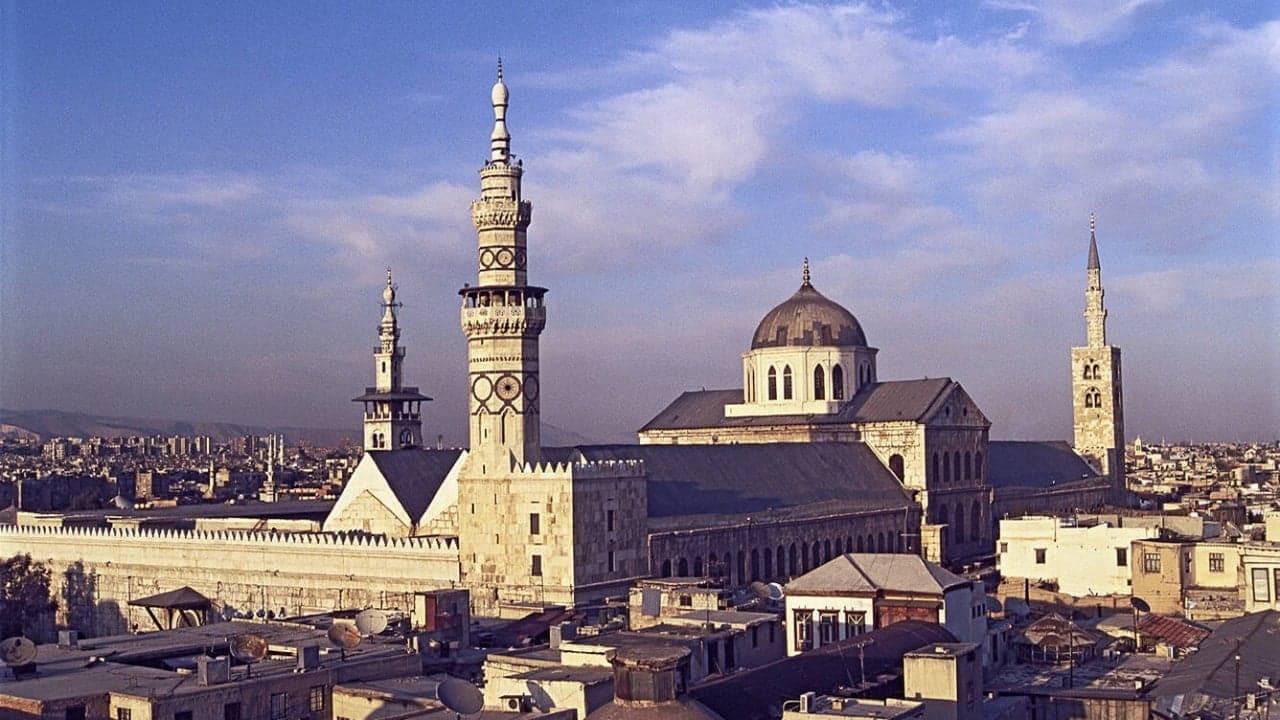
One of the oldest continuously inhabited cities in the world, it boasts the Umayyad Mosque, Azem Palace, historic souks, and traditional Damascene houses. It is a prime example of Islamic civilization in the Middle East.

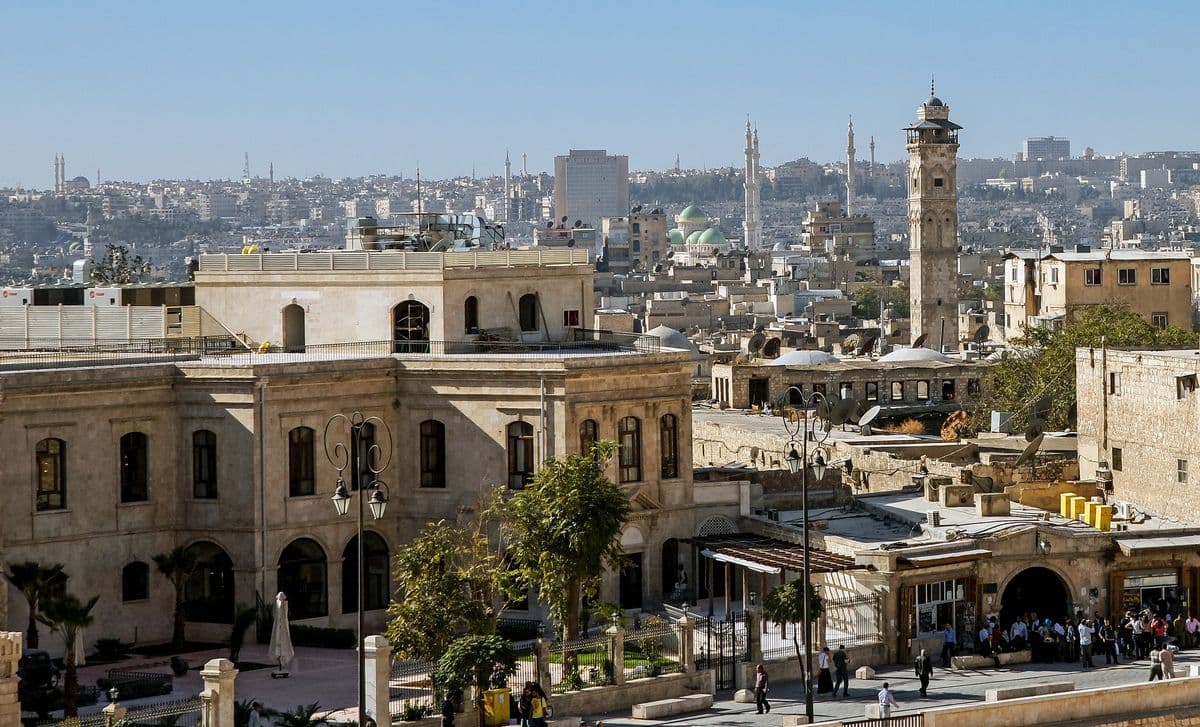
Old city of Aleppo

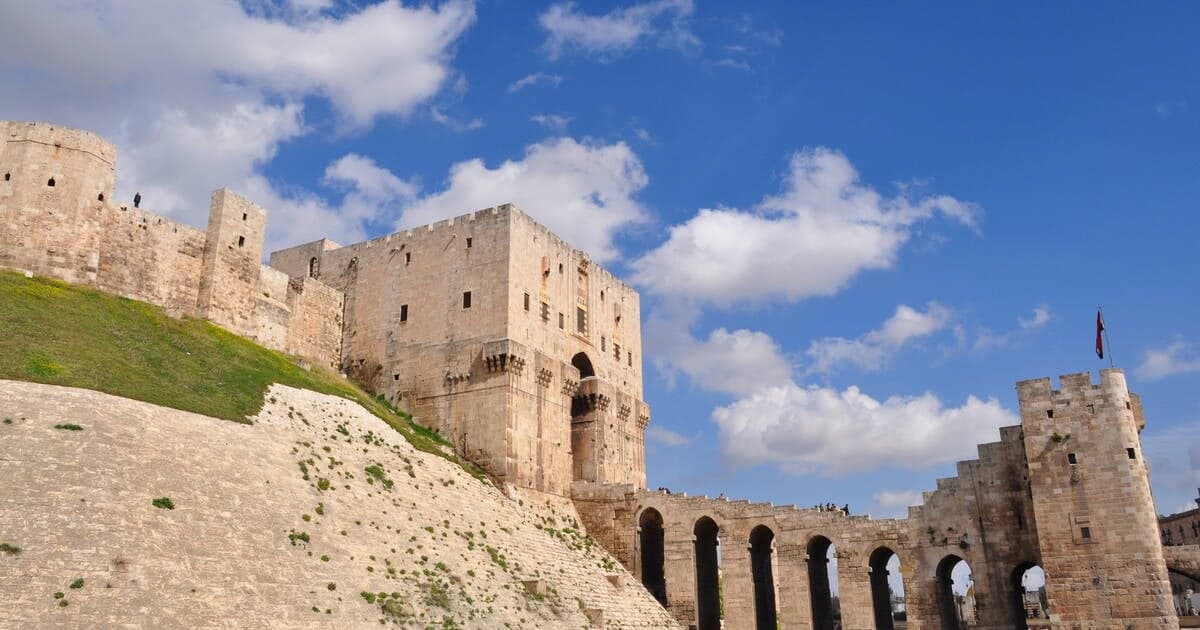
The city of Aleppo includes the Citadel, the Great Mosque, the covered markets, and the historic quarters. It was an important trading center on the Silk Road and is considered one of the greatest historical cities in the Levant.

Palmyra archaeological site

A famous Roman city in the heart of the Syrian desert, it includes the Temple of Bel, the Roman theater, the Straight Street, and tower tombs. It is considered one of the most magnificent archaeological sites in the world.

ancient city of Bosra

The capital of the Roman province of Arabia, it is famous for its superbly preserved Roman black theater. It represents a remarkable example of Roman architecture in the Middle East.

Ancient villages in northern Syria (the forgotten cities)

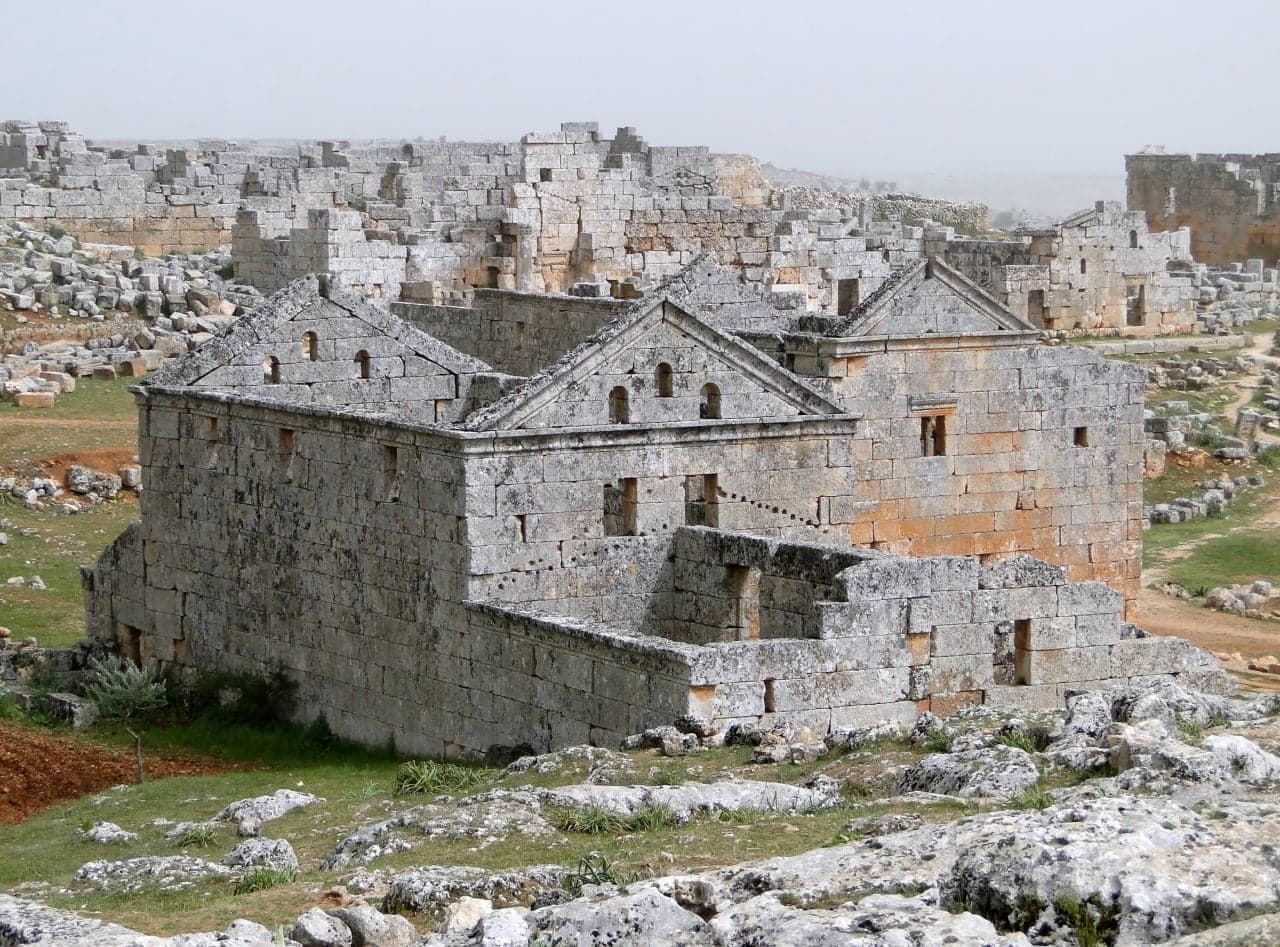
It includes about 40 ancient villages between Aleppo and Idlib, dating back to the Roman and Byzantine eras. Such as Serjilla, Al-Bara, and Shenshrah, they are considered witnesses to life in ancient times.

Al-Hisn Castle and Saladin Castle

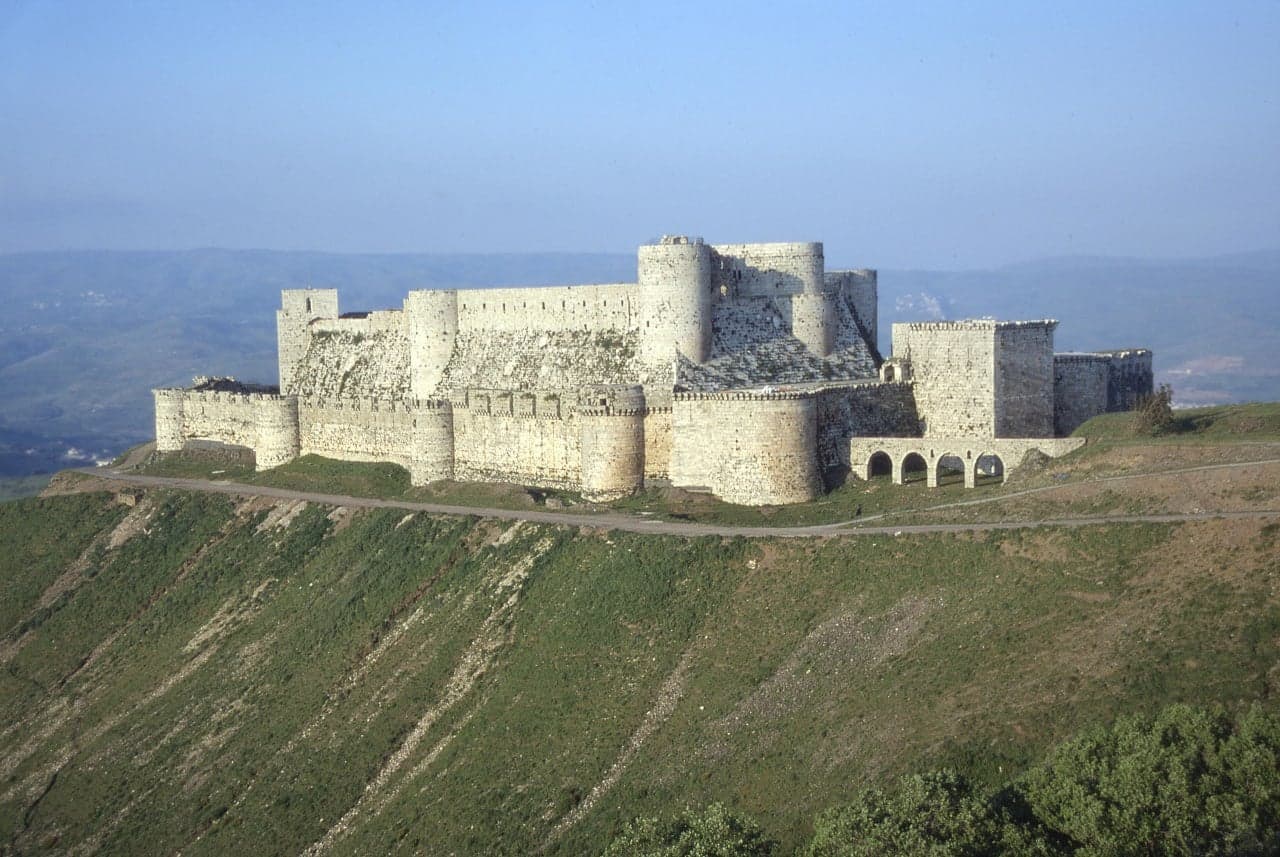
The Krak des Chevaliers castle—one of the most important medieval castles in the world—and the Citadel of Saladin—a prime example of Islamic military architecture—represent the crowning achievement of Crusader and Ayyubid fortifications.

explore Syria

Interactive Map

Interactive Map

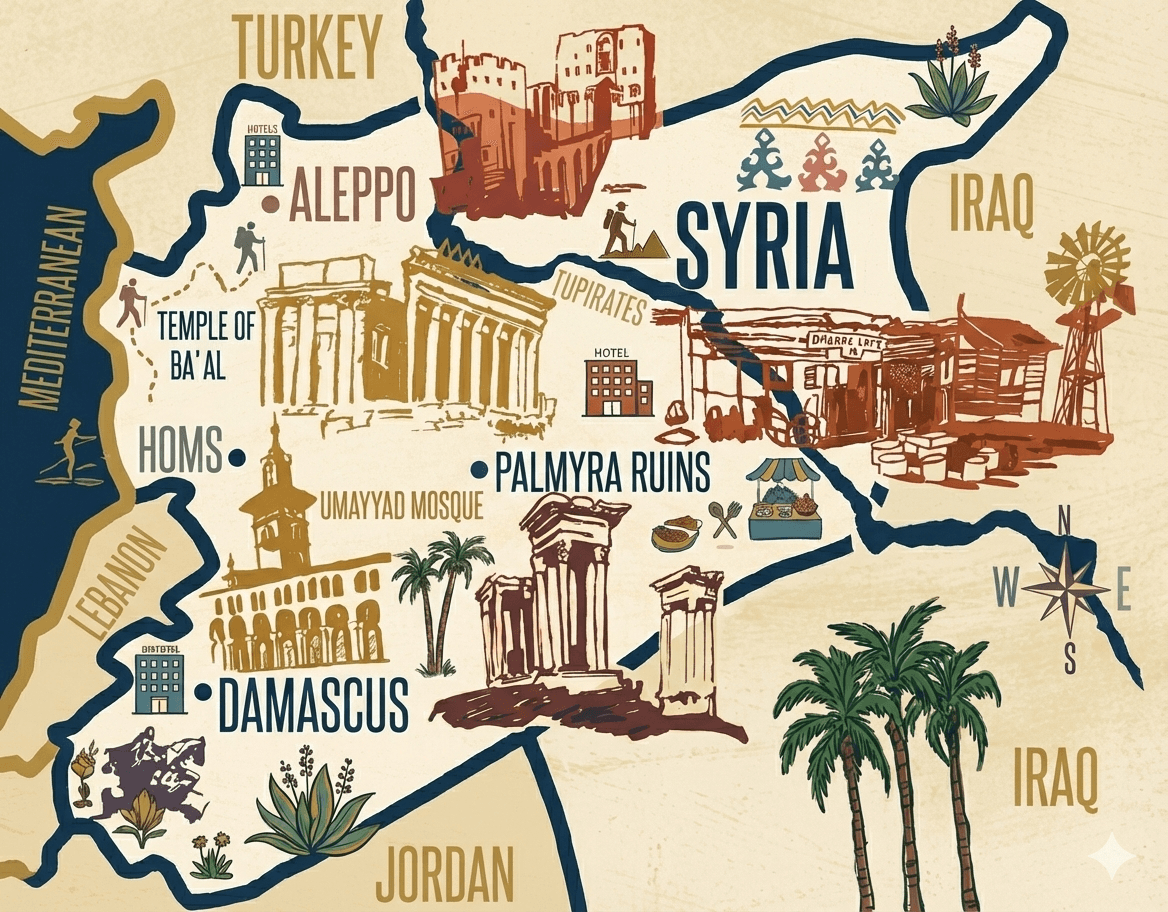
Explore Syria through our interactive map with points of interest.

Neighborhoods & Areas

Neighborhoods & Areas

Explore different neighborhoods and areas of Syria.

Tour Guides

Tour Guides

Discover Syria with professional tour guides.